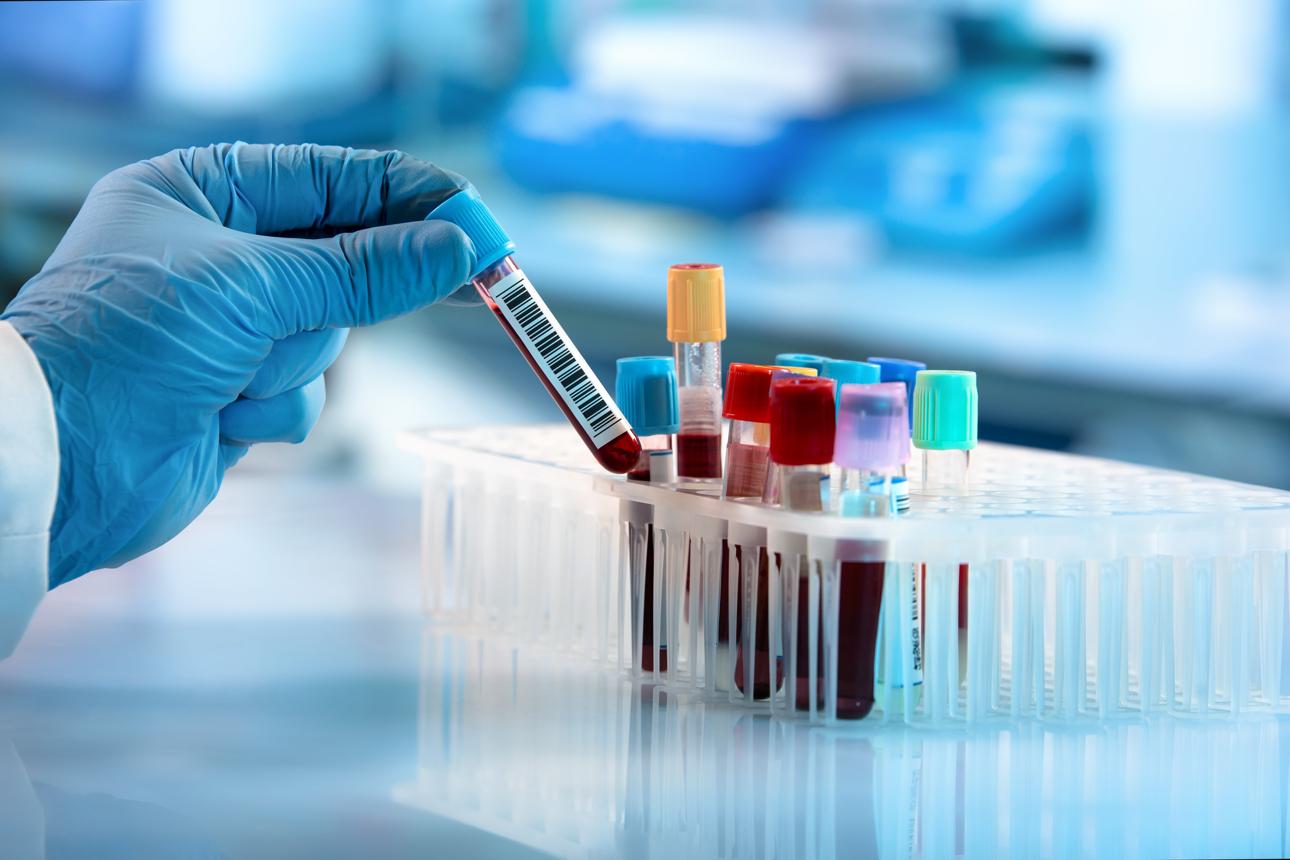
Importance of Blood Tests in Early Detection of Health Problems
Blood tests are an important part of modern healthcare. They provide valuable information about different body functions and help doctors evaluate a patient's overall health. Regular and timely blood investigations can help identify certain health problems, monitor existing medical conditions and support appropriate treatment planning.
Why Are Blood Tests Important?
Blood tests help doctors understand what is happening inside the body. They can provide information about blood cells, blood sugar, cholesterol levels, organ function and other important health indicators.
Doctors may recommend blood tests based on symptoms, medical history, age and individual health requirements.
Common Types of Blood Tests
1. Complete Blood Count (CBC)
A CBC measures different components of blood, including red blood cells, white blood cells and platelets. It helps doctors evaluate conditions such as anaemia and certain infections.
2. Blood Sugar Test
Blood sugar testing measures glucose levels in the blood. It helps doctors screen for diabetes and monitor people already diagnosed with the condition.
3. Lipid Profile Test
A lipid profile measures cholesterol and triglyceride levels. It helps assess certain risk factors associated with heart and blood vessel diseases.
4. Liver Function Test (LFT)
Liver function tests measure certain substances and enzymes in the blood to help evaluate liver health.
5. Kidney Function Test (KFT)
Kidney function tests help assess how well the kidneys are working by measuring substances such as creatinine and urea.
Benefits of Regular Blood Testing
- Helps identify certain health conditions.
- Supports early medical evaluation.
- Helps monitor existing diseases.
- Provides useful information for treatment planning.
- Helps doctors assess changes in overall health.
When Should You Get a Blood Test?
Your doctor may recommend blood investigations if you experience unexplained fatigue, weakness or other persistent symptoms. Testing may also be advised as part of routine health assessments or to monitor an existing medical condition.
Not everyone requires the same tests or testing frequency. Always follow your doctor's recommendations.
Diagnostic and Pathology Services at Delhi Hospital
Delhi Hospital, Kharkhoda, Sonipat, provides diagnostic and pathology services to support medical evaluation and patient care. Laboratory investigations help doctors obtain important information about a patient's health and plan appropriate treatment.