

Good healthcare begins with an accurate diagnosis. Before any treatment can be planned, doctors need to understand the exact cause of a patient's symptoms. A timely and precise diagnosis not only helps identify diseases at an early stage but also ensures that patients receive the right treatment without unnecessary delays.
Modern diagnostic services combine experienced medical professionals with advanced technology to deliver reliable results. Whether it's a routine health check-up or the investigation of a complex medical condition, accurate diagnosis plays a vital role in improving patient outcomes.
Medical diagnosis is the process of identifying a disease or health condition based on a patient's symptoms, medical history, physical examination, and diagnostic tests.
Doctors carefully evaluate all available information before recommending the most appropriate treatment plan. A correct diagnosis reduces the risk of incorrect treatment and helps patients recover more effectively.
An accurate diagnosis is the foundation of quality healthcare. It enables doctors to:
Early diagnosis often leads to quicker treatment and better long-term health.
Modern hospitals offer a wide range of diagnostic facilities to support patient care.
Laboratory investigations help evaluate overall health and detect infections, nutritional deficiencies, diabetes, kidney disorders, liver diseases, and many other medical conditions.
Common tests include:
Digital X-rays provide fast and clear images of bones, joints, lungs, and other body structures. They help diagnose:
Ultrasound uses sound waves to examine internal organs without radiation exposure.
It is commonly used for:
Electrocardiography (ECG) records the electrical activity of the heart and helps diagnose:
Preventive health screenings help detect diseases before symptoms appear.
Routine health check-ups may include:
Regular screenings are especially important for individuals with a family history of chronic diseases.
Early detection can significantly improve treatment outcomes.
Some key benefits include:
Conditions such as diabetes, hypertension, heart disease, and certain cancers are often easier to manage when diagnosed early.
Today's healthcare facilities use advanced diagnostic equipment to provide fast and reliable results.
Modern technology offers:
These advancements help doctors make informed clinical decisions with confidence.
Depending on the test, patients may be asked to:
Following these instructions helps ensure accurate test results.
Choosing a hospital that provides complete diagnostic facilities offers several advantages:
This integrated approach saves time and improves the overall patient experience.
Accurate diagnosis is the first and most important step toward effective medical care. By identifying health conditions early and precisely, doctors can provide the right treatment at the right time, leading to faster recovery and better long-term health.
Whether you need routine health screening, laboratory investigations, imaging services, or specialized diagnostic tests, choosing a healthcare facility with experienced professionals and advanced technology ensures reliable results and quality care. Investing in timely diagnosis is one of the best ways to protect your health and well-being.
 Why Choosing an Expert Doctor Makes All the Difference in Your Healthcare Journey
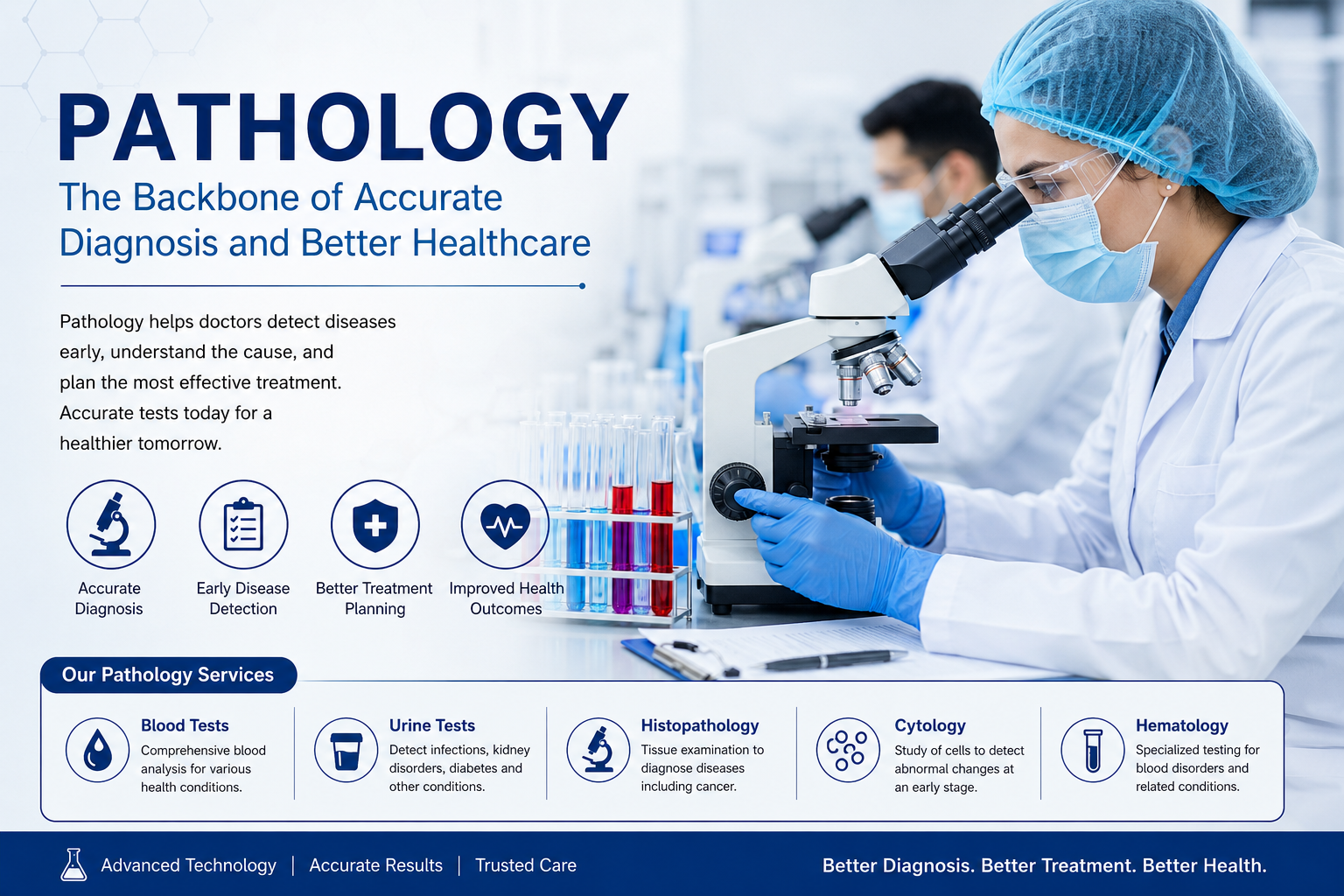 Pathology: The Backbone of Accurate Diagnosis and Better Healthcare
The Importance of Accurate Diagnosis: The First Step Toward Effective Treatment
Pathology: The Backbone of Accurate Diagnosis and Better Healthcare
The Importance of Accurate Diagnosis: The First Step Toward Effective Treatment
 Understanding Anesthesia: Ensuring Safe, Comfortable, and Pain-Free Surgery
 National Doctor's Day: Honoring the Heroes Who Care for Our Health
© Delhi Hospital All Right Reserved 2025