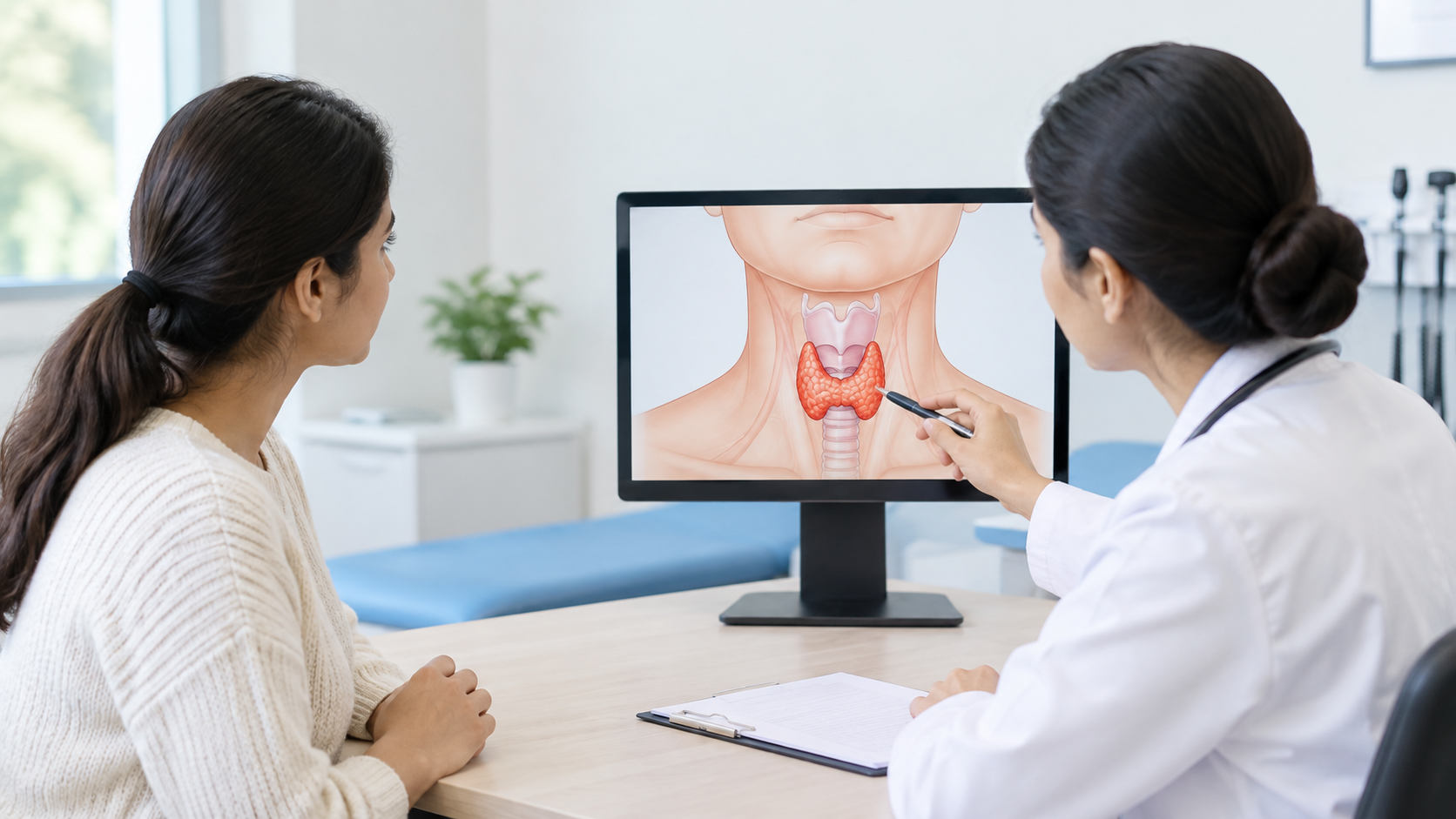
The thyroid gland is a small, butterfly-shaped gland located in the front of the neck. It produces hormones that help regulate important body functions, including metabolism, energy, heart rate, and body temperature. When the thyroid produces too much or too little hormone, it can lead to thyroid disorders. Delhi Hospital's General Medicine services include care for thyroid disorders.
What Are Thyroid Problems?
The two common types of thyroid problems are hypothyroidism and hyperthyroidism.
Hypothyroidism occurs when the thyroid gland does not produce enough thyroid hormones. It may cause tiredness, weight gain, dry skin, constipation, sensitivity to cold, and a slow heart rate.
Hyperthyroidism occurs when the thyroid produces excessive hormones. Common symptoms can include unexplained weight loss, increased sweating, nervousness, difficulty sleeping, rapid heartbeat, and sensitivity to heat.
Some people may also develop an enlarged thyroid gland, known as a goiter, or thyroid nodules. The symptoms and severity can vary from person to person.
Common Symptoms of Thyroid Disorders
Recognizing possible thyroid symptoms can help you seek medical advice when necessary. Some common symptoms include:
- Unexplained weight gain or weight loss
- Persistent tiredness or weakness
- Changes in appetite
- Feeling unusually cold or hot
- Changes in heart rate
- Hair thinning or dry skin
- Constipation or frequent bowel movements
- Mood changes or irritability
- Difficulty concentrating
- Changes in menstrual periods
Having one or more of these symptoms does not necessarily mean you have a thyroid disorder. A doctor may recommend appropriate tests to identify the underlying cause.
How Are Thyroid Problems Diagnosed?
Doctors usually begin with a medical history and physical examination. Thyroid blood tests are commonly used to check thyroid function.
A TSH (thyroid-stimulating hormone) test is often an important initial test. Depending on the patient's symptoms and initial results, the doctor may recommend additional tests such as Free T4, Free T3, thyroid antibody tests, or imaging studies.
If a thyroid nodule or enlargement is suspected, an ultrasound of the thyroid may be recommended. The appropriate tests depend on the individual's symptoms and clinical evaluation.
Treatment for Thyroid Problems
Thyroid treatment depends on the specific condition, its severity, and the patient's overall health.
For hypothyroidism, doctors commonly prescribe thyroid hormone replacement medication and monitor hormone levels through follow-up blood tests.
Treatment for hyperthyroidism may involve medicines, radioactive iodine treatment, or surgery in selected cases. Thyroid surgery may also be considered for certain large nodules, goiters, or other thyroid conditions.
Regular follow-up is important because treatment may need adjustment over time.
When Should You See a Doctor?
If you experience persistent fatigue, unexplained weight changes, abnormal heartbeat, neck swelling, or significant changes in your overall health, consult a healthcare professional. Early evaluation can help identify thyroid disorders and guide appropriate treatment.
With proper diagnosis, regular monitoring, and an individualized treatment plan, many thyroid problems can be effectively managed.